
🐍Day 13 - Basics of Python
🐍What is Python?
Python is a Open source, general purpose, high level, and object-oriented programming language.
It was created by Guido van Rossum
Python consists of vast libraries and various frameworks like Django,Tensorflow, Flask, Pandas, Keras etc.
🐍How to Install Python?
You can install Python in all operating system like Linux, Ubuntu, Windows & MacOS.
Installation of Python in Linux:
Update the package index: It's a good practice to update the package index before installing any new packages:
sudo apt update #For Ubuntu/ DebianInstall Python: You can install Python using the package manager:
  sudo apt install python3 #For Ubuntu/Debian
  sudo yum install python3 #For CentOS/RHEL
Verify the Installation: After installation, you can verify that Python was installed successfully by running:
python3 --version
🐍Data Types in Python
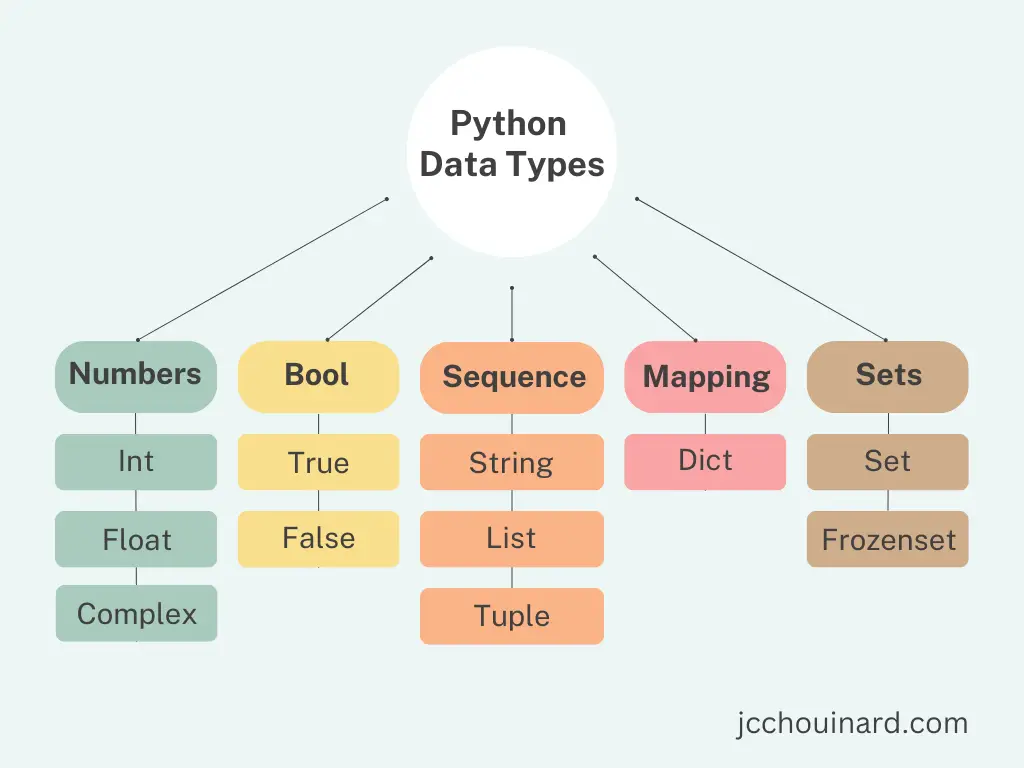
Python Data Types are used to define the type of a variable. It defines what type of data we are going to store in a variable. The data stored in memory can be of many types. For example, a person's age is stored as a numeric value and his or her address is stored as alphanumeric characters.
🐍Types of Python Data Types
Python has the following built-in data types which we will discuss in this tutorial:
| Data Type | Examples |
| Numeric | int, float, complex |
| String | str |
| Sequence | list, tuple, range |
| Binary | bytes, bytearray, memoryview |
| Mapping | dict |
| Boolean | bool |
| Set | set, frozenset |
| None | NoneType |
📚Happy Learning :)


